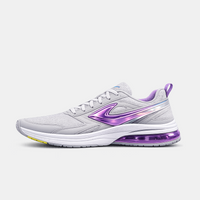
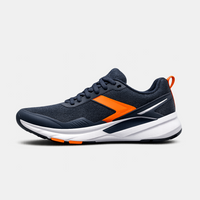
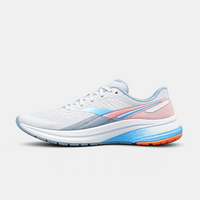
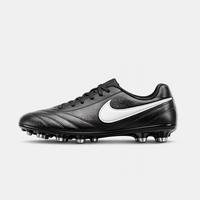


Running is one of the most natural human activities. Long before advanced technology, people ran barefoot across fields, trails, and roads. Yet, as simple as running may seem, one piece of gear has dramatically shaped how we run today—the modern running shoe.
A Simple Idea That Changed Everything
The concept of protecting the foot while enhancing performance seems obvious now, but it took decades of experimentation to perfect. Early versions of running shoes were little more than thin rubber soles attached to fabric uppers. They offered minimal cushioning and almost no support.
Then came innovation. Designers began to focus not only on protection but also on biomechanics—how the foot strikes the ground, how energy transfers through each stride, and how to reduce injury risk. This shift turned the running shoe from basic equipment into a performance tool.
The Rise of Cushioning and Support
The introduction of cushioned midsoles marked a turning point. Runners could go farther with less fatigue, and long-distance running became more accessible to the average person. Stability features followed, helping control excessive foot movement and improving overall efficiency.
These advancements didn't just benefit elite athletes. Everyday runners experienced greater comfort, which encouraged consistency and helped build a global running culture.
From Function to Performance Enhancement
Modern running shoes are engineered with precision. Lightweight foams, breathable materials, and responsive cushioning systems all contribute to better performance. Some designs even focus on energy return, helping runners feel a subtle “push” with each step.
This evolution blurred the line between gear and performance enhancement. Shoes were no longer passive—they actively contributed to how fast and how efficiently someone could run.
Impact Beyond the Runner
The influence of running shoes extends far beyond individual performance. They have shaped entire industries, from sportswear fashion to health and fitness trends. Running events, communities, and training programs have all grown alongside advancements in footwear.
Additionally, the focus on comfort and injury prevention has influenced other types of athletic and everyday shoes, improving how people move in daily life.
Why It Still Matters Today
Even with ongoing debates about minimalism versus maximum cushioning, one thing is clear: the running shoe remains the most influential piece of running gear ever made. It continues to evolve, driven by new materials, research, and the endless pursuit of better performance.
For runners of all levels, the right pair of shoes can make the difference between discomfort and enjoyment, between giving up and pushing forward. That lasting impact is what truly defines its influence.
Conclusion
From humble beginnings to high-tech innovation, the running shoe has transformed the way humans run. It is more than just gear—it is a cornerstone of modern running culture. And as technology continues to advance, its influence is far from over.


